Water can be a bit mysterious. It looks clear, behaves politely in a glass, and seems harmless enough – until it leaves white spots on your faucets, makes your coffee taste like it was brewed through a garden hose, or turns your shower into a low-budget mineral spa. That is usually when homeowners start asking the big question: do I need a reverse osmosis system or a water softener?
The short answer is that these two systems solve different problems. A reverse osmosis system is mainly about drinking water quality. A water softener is mainly about protecting your home from hard water. They are not enemies. They are more like two specialists in the same clinic – one focuses on what you drink, and the other focuses on what runs through your pipes, appliances, fixtures, laundry, and shower.
Understanding the difference can help you choose the right solution, avoid wasting money, and stop blaming your dishwasher for crimes committed by minerals.
What Is a Water Softener?
A water softener is designed to deal with hard water. Hard water contains minerals, mainly calcium and magnesium. These minerals are not usually dangerous to drink, but they can be annoying and expensive over time.
When hard water flows through your home, it can leave scale inside pipes, on fixtures, in water heaters, and inside appliances. That chalky buildup may look innocent, but it can reduce efficiency, shorten appliance lifespan, and make cleaning feel like a never-ending battle against invisible dust.
A water softener works through a process called ion exchange. In simple terms, it removes calcium and magnesium from the water and replaces them with sodium or potassium ions. The result is softer water that behaves much better around soap, plumbing, and appliances.
With softened water, soap lathers more easily, laundry can feel softer, dishes may come out cleaner, and your shower glass may stop looking like it has been decorated with tiny white snowflakes.
 What Is a Reverse Osmosis System?
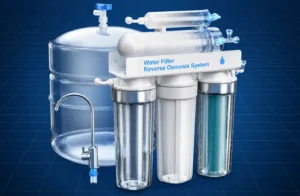
A reverse osmosis system, often called an RO system, is designed to improve the quality and taste of drinking water. It uses pressure to push water through a special semi-permeable membrane. This membrane helps reduce many dissolved substances and impurities that may affect flavour, smell, and overall drinking water quality.
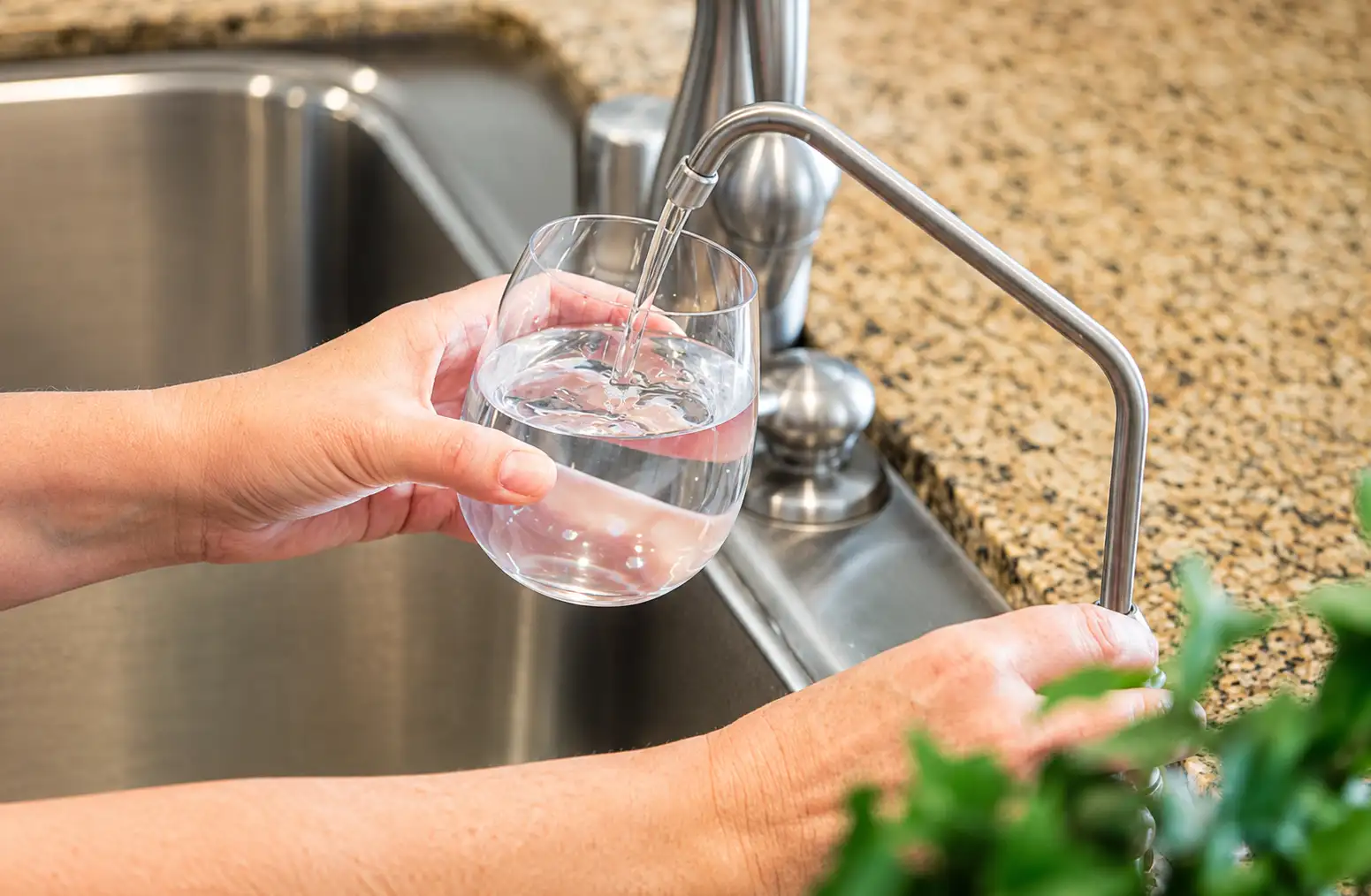
Reverse osmosis systems are commonly installed under the kitchen sink and connected to a dedicated drinking water faucet. Some systems can also connect to refrigerators or ice makers.
The goal is not to soften water for the entire house. The goal is to create cleaner, better-tasting water for drinking, cooking, tea, coffee, soups, baby formula, pets, and ice cubes that do not taste like they have a secret personality.
If your main concern is the taste of your tap water, a reverse osmosis system is often the more relevant choice.
The Main Difference Between the Two Systems
The biggest difference is purpose. A water softener treats the water used throughout the home. A reverse osmosis system usually treats water at one specific point, most often the kitchen sink.
A water softener focuses on hardness minerals. A reverse osmosis system focuses on reducing dissolved contaminants and improving drinking water quality.
Think of it this way: a water softener protects your home, while a reverse osmosis system upgrades what goes into your glass.
That is why comparing them directly can be a little unfair. It is like asking whether a winter jacket is better than a coffee maker. Both are useful, but they solve very different problems. One keeps you comfortable. The other keeps you civilized before 9 a.m.
Signs You May Need a Water Softener
Hard water problems often show up around the house before you even think about water treatment. The signs can be subtle at first, but over time they become hard to ignore.
- White scale on faucets, showerheads, kettles, or glass doors
- Soap that does not lather well
- Dry-feeling skin or hair after showering
- Spots on dishes and glassware
- Laundry that feels stiff or looks dull
- Reduced efficiency in water heaters or appliances
- Frequent cleaning of mineral buildup around fixtures
If several of these sound familiar, a water softener may be a smart investment. It can help protect plumbing and appliances while making daily routines more pleasant. Even your shampoo may finally start doing what the label promised.
Signs You May Need a Reverse Osmosis System
A reverse osmosis system is usually the better option when your concern is drinking water. If your water is technically safe but tastes unpleasant, smells odd, or makes tea and coffee taste “off,” RO filtration may make a noticeable difference.
You may benefit from a reverse osmosis system if you notice:
- Unpleasant taste or odour in drinking water
- Cloudy-looking water from the tap
- Concerns about dissolved solids
- Heavy use of bottled water
- Poor-tasting coffee, tea, soups, or ice
- A desire for convenient filtered water at home
- Interest in reducing plastic bottle waste
Many homeowners install RO systems because they want great-tasting water without constantly buying bottled water. It is convenient, practical, and much better than turning your kitchen into a plastic bottle recycling depot.
Can You Use Both Systems Together?
Yes – and in many homes, using both systems is actually the ideal setup.
A water softener treats hard water before it travels through your plumbing system. This helps reduce scale buildup and protects appliances. Then, a reverse osmosis system provides high-quality drinking water at the kitchen sink.
There is also a practical benefit: softened water can be easier on an RO system because hardness minerals are reduced before they reach the membrane. This can help the RO system operate more efficiently and may support longer membrane life, depending on the water conditions and system design.
So instead of choosing one system as the winner, it may be better to think in terms of teamwork. The softener handles the heavy lifting for the whole home. The RO system handles the final polish for drinking water.
Why Professional Installation Matters
Water treatment looks simple from the outside: connect a system, turn a valve, enjoy better water. In reality, it is more technical than that. Water pressure, plumbing layout, hardness level, flow rate, household size, filtration needs, drain connections, maintenance access, and system sizing all matter.
A poorly selected system can underperform. A poorly installed system can leak, waste water, reduce pressure, or fail earlier than expected. And nothing ruins a relaxing evening quite like discovering that your “DIY water upgrade” has become an indoor pond.
Professional water testing and installation help ensure the system matches the actual water problem. That matters because not every home needs the same solution. Some homes mainly need softening. Others need drinking water filtration. Many benefit from both.
For homeowners looking for water treatment services in Calgary, working with experienced professionals can make the difference between guessing and getting a system that actually solves the problem.
Which One Should You Choose?
Choose a water softener if your main issue is hard water – scale, soap problems, dry skin, appliance wear, and mineral buildup. Choose a reverse osmosis system if your main issue is drinking water taste, odour, dissolved solids, or bottled water dependency.
Choose both if you want a complete approach: better water throughout the home and excellent drinking water at the tap.
The best solution depends on your water quality, your home, and your goals. That is why testing comes first. Without water testing, choosing a system can feel like buying glasses without knowing your prescription. You might get lucky, but there is a good chance everything still looks blurry.
Final Thoughts
A reverse osmosis system and a water softener are not the same thing, and one does not automatically replace the other. A water softener helps protect your home from hard water. A reverse osmosis system helps improve the water you drink and cook with every day.
If your faucets are crusty, your dishes are spotty, and your shower glass looks like it belongs in a science experiment, a water softener may be the hero. If your drinking water tastes unpleasant and you are tired of carrying heavy bottles from the store, reverse osmosis may be the upgrade you need.
And if you want the best of both worlds, a professionally designed combination system can bring comfort, protection, and great-tasting water together. Because water should be clear, clean, and helpful – not a daily reminder that minerals have been quietly running your household.