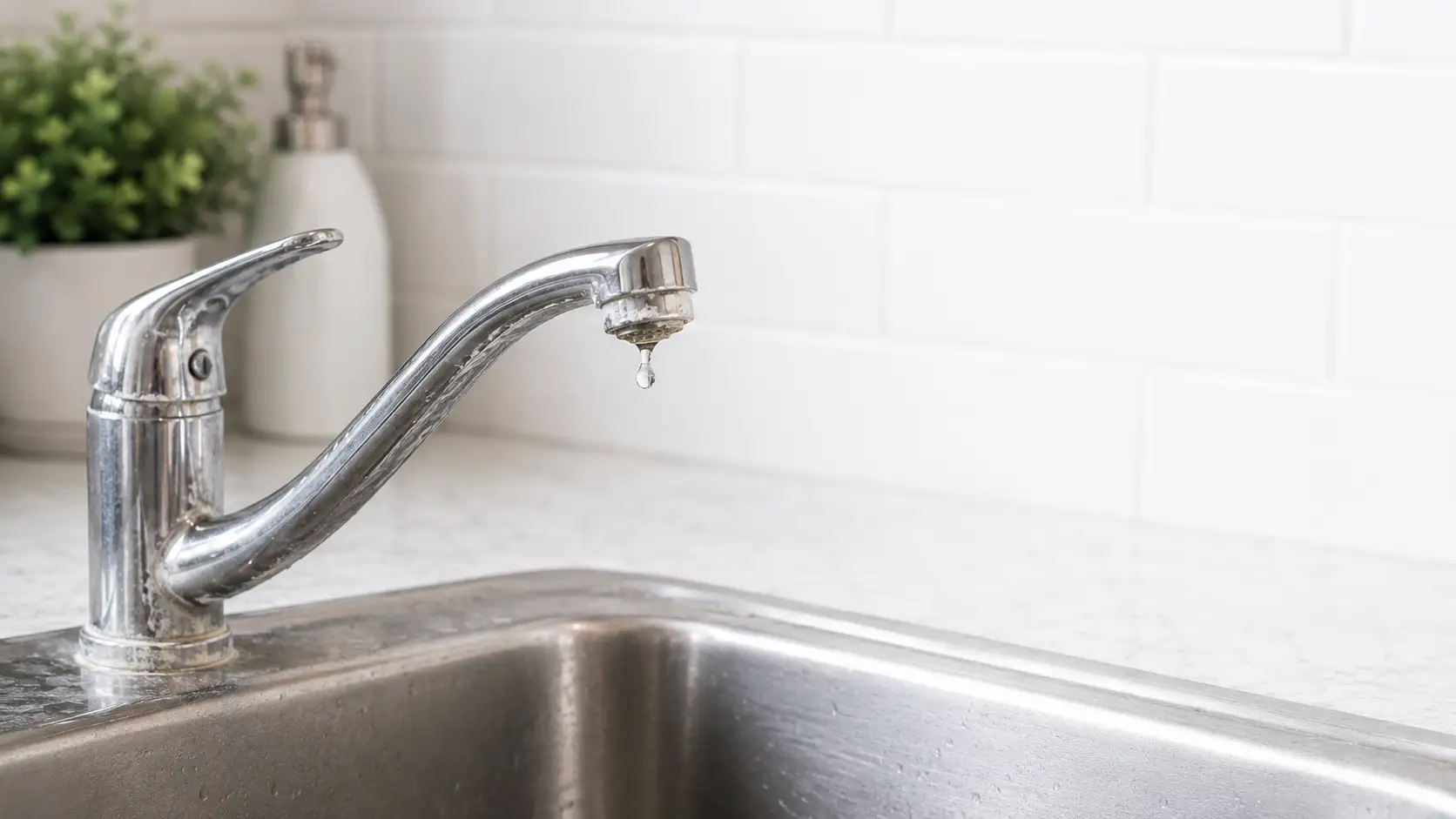
Water can be sneaky. It looks clear, it tastes normal, and it usually looks ok when you pour it into a glass. But behind that innocent appearance, it may be in fact full of minerals. The main offenders are calcium and magnesium, and when they show up in large amounts, your home is dealing with hard water.
Hard water is not usually dangerous to drink, so there is no need to imagine your tap water wearing a villain cape. However, it can be very annoying. It can leave spots on dishes, make soap less effective, dry out your skin, shorten the life of appliances, and slowly build scale inside plumbing. In other words, hard water may not be harmful, but it is persistent. Like that one guest who says they are leaving soon and then stays for three more hours.
What Makes Water Hard?
Water becomes hard when it passes through mineral-rich rock and soil before reaching your home. Along the way, it picks up dissolved minerals, especially calcium and magnesium. The more of these minerals it contains, the harder the water becomes.
Water hardness is commonly measured in grains per gallon or milligrams per litre. A low number means softer water. A high number means harder water. In many areas across southern Alberta, water is considered hard to very hard, which explains why so many homeowners notice white spots, chalky buildup, and soap that seems to give up halfway through the job.
Hard water is especially noticeable in daily routines. You may feel it in the shower, see it on your fixtures, and hear about it from your dishwasher when it starts acting like it needs a vacation.
Common Signs of Hard Water at Home
Hard water is not shy. It usually leaves evidence all over the house. Some signs are small at first, but over time they become harder to ignore.
- White spots on glasses, faucets, shower doors, and dishes
- Dry or itchy skin after bathing
- Hair that feels dull, heavy, or harder to rinse
- Soap and shampoo that do not lather well
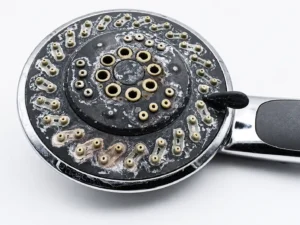
- Scale buildup around taps, showerheads, kettles, and coffee makers
- Laundry that feels stiff or looks less bright
- Appliances that need more cleaning or repairs than expected
- Reduced water flow caused by mineral buildup inside fixtures or pipes
If several of these signs sound familiar, your water is probably working against you in quiet but expensive ways.
 Why Hard Water Is a Bigger Problem Than It Looks
At first, hard water may seem like just a cleaning issue. A few spots here, a bit of scale there, no big deal. But the real problem is what happens over time.
Mineral deposits can collect inside water heaters, dishwashers, washing machines, humidifiers, coffee makers, and plumbing fixtures. This buildup can reduce efficiency because appliances must work harder to do the same job. A water heater with scale inside it, for example, may need more energy to heat water properly. That means higher utility bills and more wear on the system.
Hard water can also increase the amount of soap, shampoo, detergent, and cleaning products you use. Since minerals interfere with lathering and rinsing, you may need more product to get the result you want. That is not ideal for your wallet, your appliances, or your patience.
How Hard Water Affects Your Shower
The shower is where many people first notice hard water. Soap may leave a film on your skin instead of rinsing away cleanly. Shampoo may feel less effective. Hair may become harder to manage, especially if it already tends to be dry.
This happens because calcium and magnesium react with soap and create residue. That residue can stay on your skin, hair, tiles, and shower glass. So, while you may step into the shower expecting a refreshing spa moment, hard water may turn it into a tiny chemistry experiment.
A proper water treatment system can help reduce these issues and make daily washing feel much cleaner and more comfortable.
How Hard Water Affects Appliances
Appliances that use hot water are especially vulnerable. Heat encourages minerals to form scale, and that scale can build up inside equipment over time. Your dishwasher, washing machine, water heater, kettle, and coffee maker may all feel the impact.
Here is what hard water can do to appliances:
- Reduce efficiency by forcing appliances to work harder
- Create scale deposits on heating elements
- Increase the need for maintenance and cleaning
- Shorten appliance lifespan
- Leave dishes cloudy even after a full wash cycle
- Make laundry feel rough or look faded
- Affect the taste and performance of hot drinks made with tap water
A coffee maker full of scale is not exactly the morning motivation anyone needs. Nobody wants their first cup of coffee to taste like it was brewed by a limestone statue.
Can You Test Water Hardness Yourself?
Yes, you can use basic test strips or at-home kits to get a rough idea of water hardness. These tools can be useful for a quick check. However, they do not always provide the full picture. Water quality can involve more than hardness alone, including chlorine, sediment, iron, taste, odour, and other factors.
That is why professional testing is often the smarter choice. A professional can measure hardness accurately, explain what the results mean, and recommend a system based on actual household needs. Guessing may lead to buying equipment that is too small, too large, or simply not suited to the problem.
DIY is great for painting a shelf or assembling a chair, assuming the chair does not end up looking emotionally confused. But water treatment should be done carefully because the right setup affects plumbing, appliances, comfort, and long-term performance.
What Is the Best Solution for Hard Water?
The most common solution is a water softener. A softener works by reducing calcium and magnesium in the water, helping prevent scale buildup and making water easier on your home. With the right system, you may notice cleaner dishes, softer laundry, smoother skin, better lather, and fewer mineral deposits around fixtures.
For homeowners considering water softener installation in Calgary, choosing experienced professionals is important. Proper sizing, installation, setup, and maintenance all matter. A system that is correctly matched to your household can perform more efficiently and provide better long-term value.
Professional service also helps avoid common mistakes, such as incorrect bypass setup, poor drain placement, wrong capacity selection, or inefficient regeneration settings. These details may sound boring, but they are exactly the kind of boring details that save money later.
Why Professional Help Makes Sense
Water treatment is not only about buying a device. It is about understanding your water, your home, your usage, and your goals. A professional can look at the full picture and recommend a practical solution instead of a random box from the internet with enthusiastic reviews and mysterious instructions.
A trusted local water treatment company can help with testing, equipment selection, installation, maintenance, and future service. This gives homeowners peace of mind because the system is not only installed, but installed correctly.
Hard water may be stubborn, but it is manageable. With the right solution, your home can enjoy cleaner fixtures, better appliance performance, softer laundry, and a more pleasant shower experience. Your taps will still not tell jokes, but at least they will stop decorating everything with white mineral spots.
Final Thoughts
So, how hard is your local water? In many homes, the answer is simple: hard enough to notice and hard enough to treat seriously. It may not be unsafe, but it can be inconvenient, costly, and rough on your home over time.
The good news is that hard water is a very solvable problem. With proper testing and a professionally installed water treatment system, you can protect your plumbing, support your appliances, improve comfort, and reduce the never-ending battle against scale.
Hard water does not have to win. It has minerals. You can have professionals.
If hard water is leaving spots on your dishes, scale on your fixtures, dry skin after showers, or extra stress on your appliances, EcoWater can help you find the right solution. With professional water testing, expert recommendations, and quality water treatment systems, your home can enjoy cleaner, softer, and more comfortable water every day.
Contact EcoWater today to schedule your water hardness test and learn which water softener or treatment system is best for your home.